Garage Door Opener Installation in Hampton Roads, VA
A garage door opener is the part of the system you touch every day, and it is often the part homeowners replace first. When the motor gets loud, the remote stops responding, or the door reverses halfway down, a new unit can cost less than chasing repairs on something already past its best years. The decision comes down to three things: the drive type that fits your garage, the brand and features you want, and whether the install is a weekend project or a job for a local technician.
What follows covers what installation involves, the opener types available, the brands you will see most often, and the cost factors that push a quote up or down, plus what to expect when you book service in Chesapeake, Virginia Beach, Norfolk, Portsmouth, or Suffolk.
What Garage Door Opener Installation Actually Involves
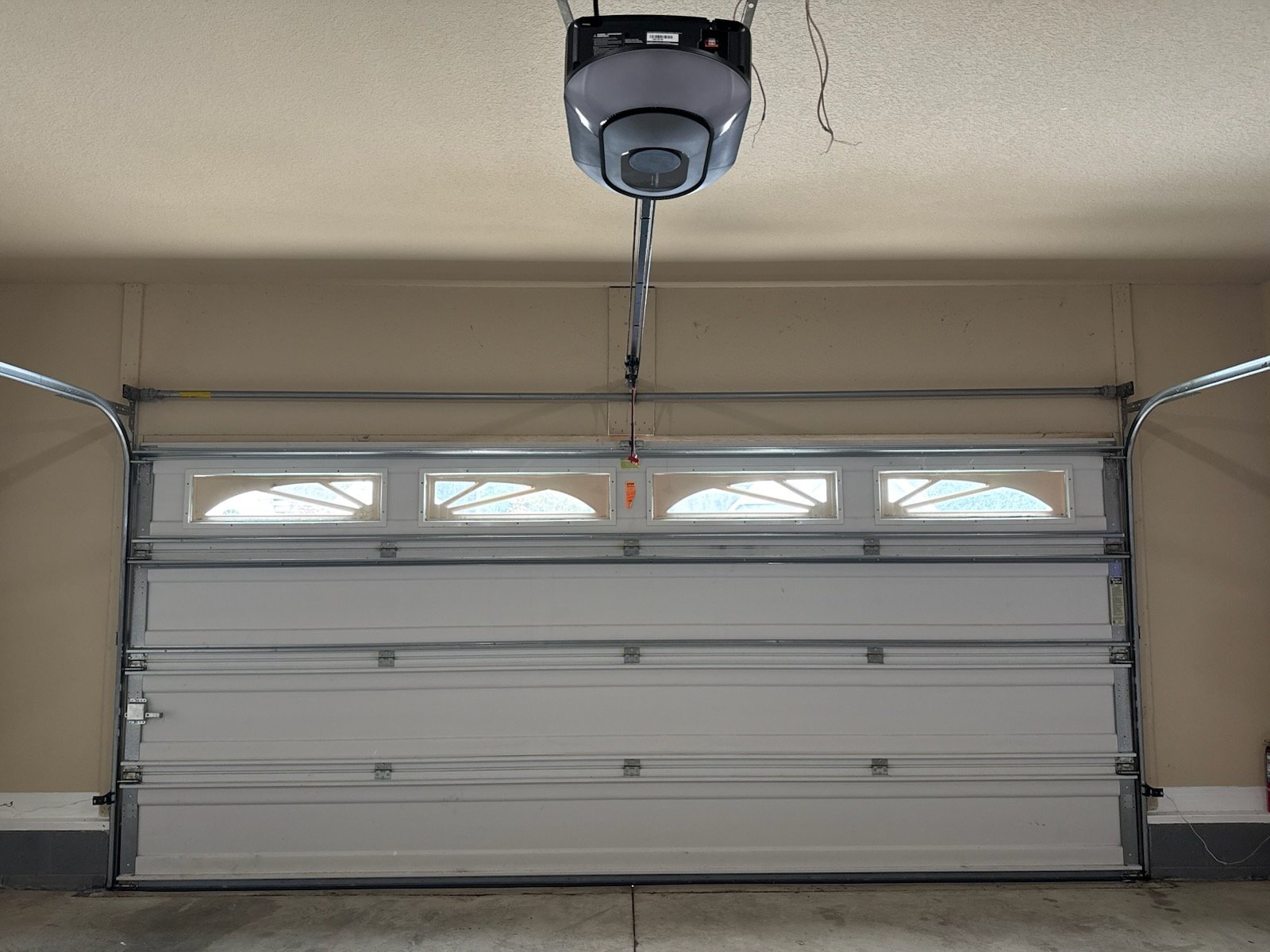
Installation is more than bolting a motor to the ceiling. The published step-by-step from The Home Depot breaks the job into four stages: prepare the garage, assemble the garage door opener, mount the opener to the ceiling, and attach the door bracket. Each stage has details that decide whether the door runs smoothly or grinds for years.
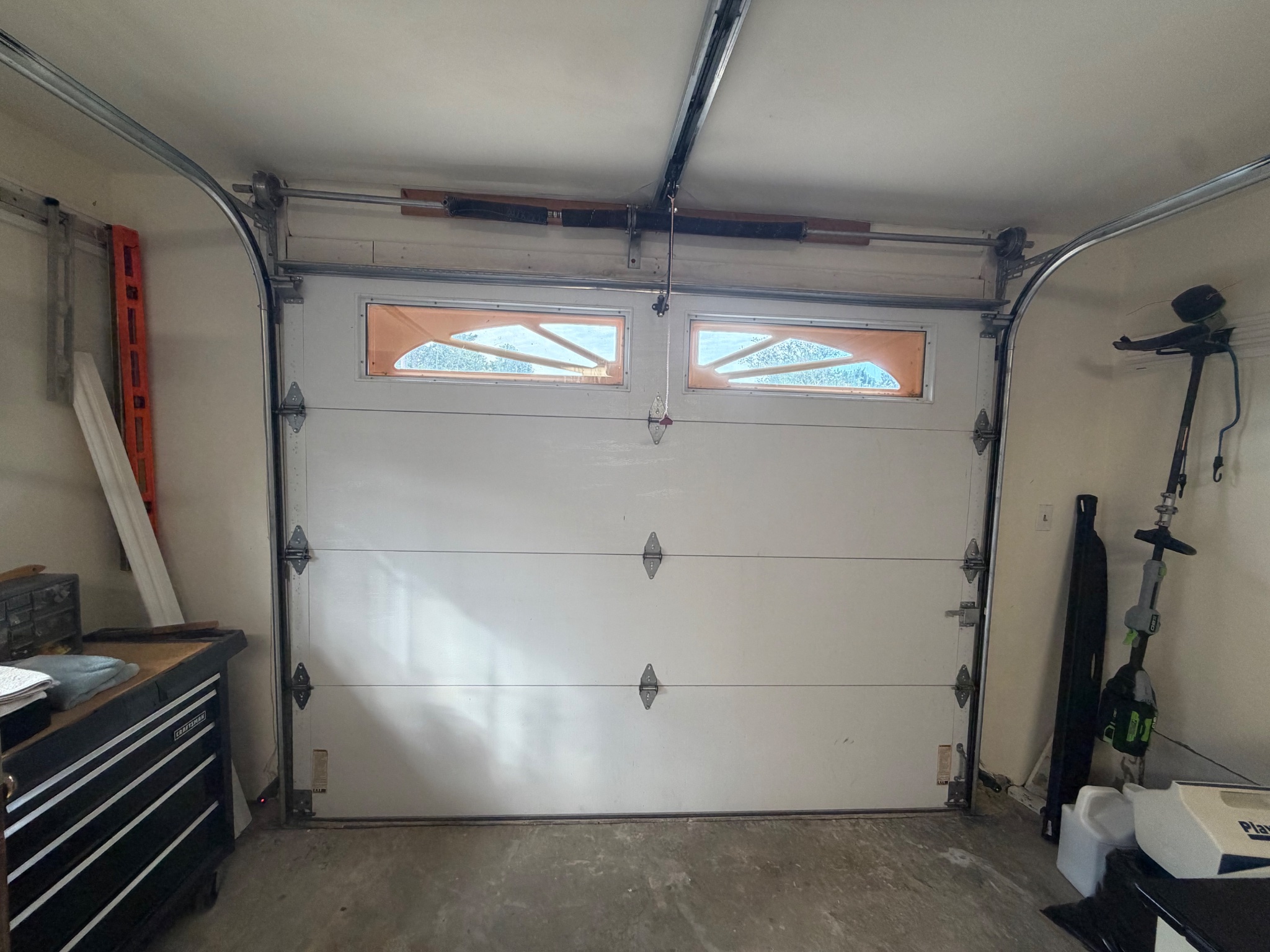
Preparing the garage means clearing the work area, checking that the door moves freely by hand, and confirming there is a working outlet near the ceiling. If the door binds or the springs are weak, a new opener will struggle from day one. Assembly covers the rail, trolley, and drive mechanism. Mounting puts the rail square to the door so the trolley tracks in a straight line. The door bracket ties the arm to the door panel, and it has to sit at the right height or the door will tilt as it travels.
After the hardware is up, the finishing work matters just as much: setting travel limits so the door opens and closes fully, adjusting force settings, aligning the safety sensors so the beam is unbroken, and programming remotes, keypads, and any smart hub. Every opener sold today relies on a safety reverse system, and it should be tested before the installer leaves the driveway.
Chain, Belt, and Direct Drive: Which Opener Fits Your Garage
Retail installation programs from Lowe's cover chain drive, belt drive, and direct drive openers. The difference is mostly in how the motor transfers power to the door, which affects noise, maintenance, and price.
Drive type | How it works | Where it works best |
|---|---|---|
Chain drive | A metal chain pulls the trolley along the rail | Heavy doors and budget-conscious projects; louder in operation |
Belt drive | A steel-reinforced rubber belt moves the trolley | Garages under bedrooms or living space; quieter and smoother running |
Direct drive | The motor travels along the rail itself, with fewer parts | Homeowners who want a simpler mechanism and less vibration |
Belt drive is the common upgrade for anyone tired of hearing the door from inside the house, which is why Lowe's builds its step-by-step installation video around a belt drive unit and describes the result as quieter, smoother operation. Chain drive still makes sense for heavier doors and tighter budgets. Direct drive sits in the middle and appeals to homeowners who prefer fewer wear points.
Opener Brands You Will See in Hampton Roads
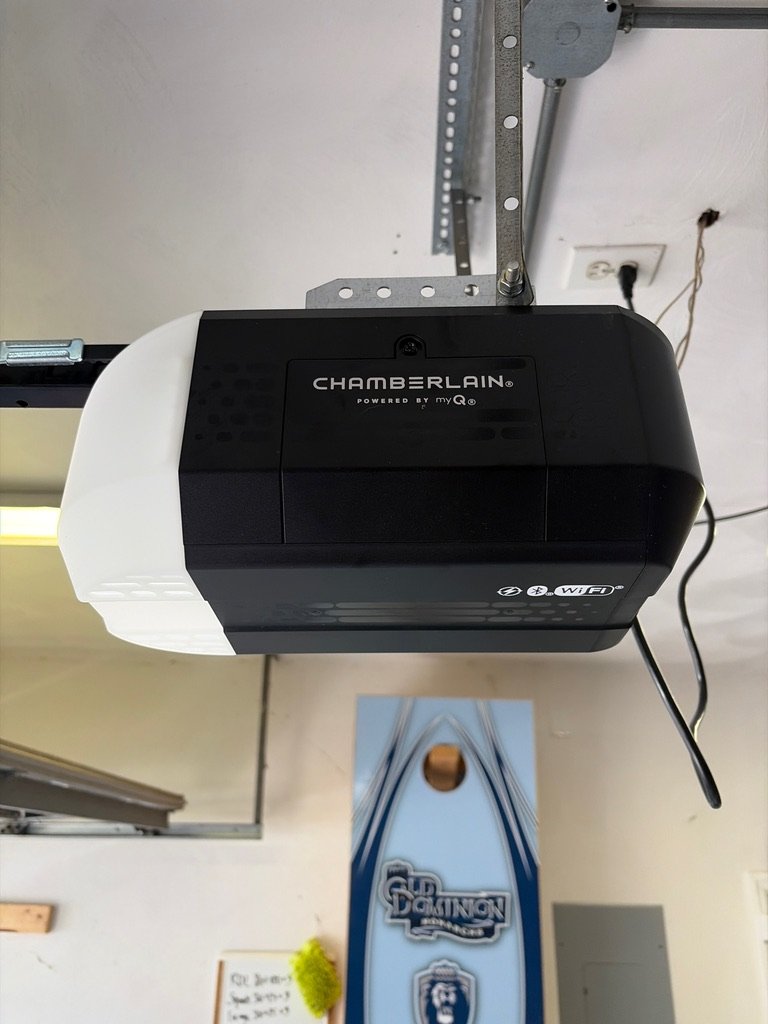
Three names come up again and again in this region: LiftMaster, Chamberlain, and Genie. Local repair and installation companies typically work with these lines because parts, remotes, and accessories are easy to source when something needs replacing.
Chamberlain publishes its own installation videos and support guides and states that installing one of its openers is easier than many homeowners expect. That documentation is genuinely useful, and it is also the reason some people decide to handle the job themselves. LiftMaster and Genie units follow the same general mounting pattern, but each brand has its own quirks in rail assembly, wall control wiring, and how travel limits are set.
Feature differences matter more than brand loyalty for most garages. A basic unit with one remote will do the job. A smart unit with Wi-Fi control, battery backup, and phone alerts adds convenience and costs more. Ask what is included before you compare prices, because a low headline number sometimes leaves out remotes, keypads, or the wall button.
What Garage Door Opener Installation Costs
The clearest published figure comes from The Home Depot, which lists garage door opener installation starting at $178, with removal and haul away of the old opener and other materials included. Lowe's handles opener installation through its own program and can be reached at 1-877-GO-LOWES for chain, belt, and direct drive units.
Those are starting points, not flat rates. Several factors move the number:
The opener itself. Belt drive and smart units cost more than basic chain drive models.
Whether you supply the opener or buy it through the installer.
Old equipment removal, which some quotes include and some bill separately.
Electrical work. If there is no outlet near the ceiling, or the existing wiring is failing, that is a separate task.
The door. A binding or badly balanced door needs attention before or during installation.
Extras such as additional remotes, wireless keypads, and smart home pairing.
Local companies in Hampton Roads generally quote the job after asking about your door and your ceiling, because two garages on the same street can need very different installations. Upfront pricing, given before the work starts, is the only fair way to compare one quote against another.
DIY Installation vs Hiring a Local Technician
Manufacturer videos make DIY installation look approachable, and for a straight replacement on a sound door, it can be. The catch is the parts most people underestimate: getting the rail perfectly aligned, setting travel and force correctly, and wiring the wall control and safety sensors so nothing is pinched or reversed.
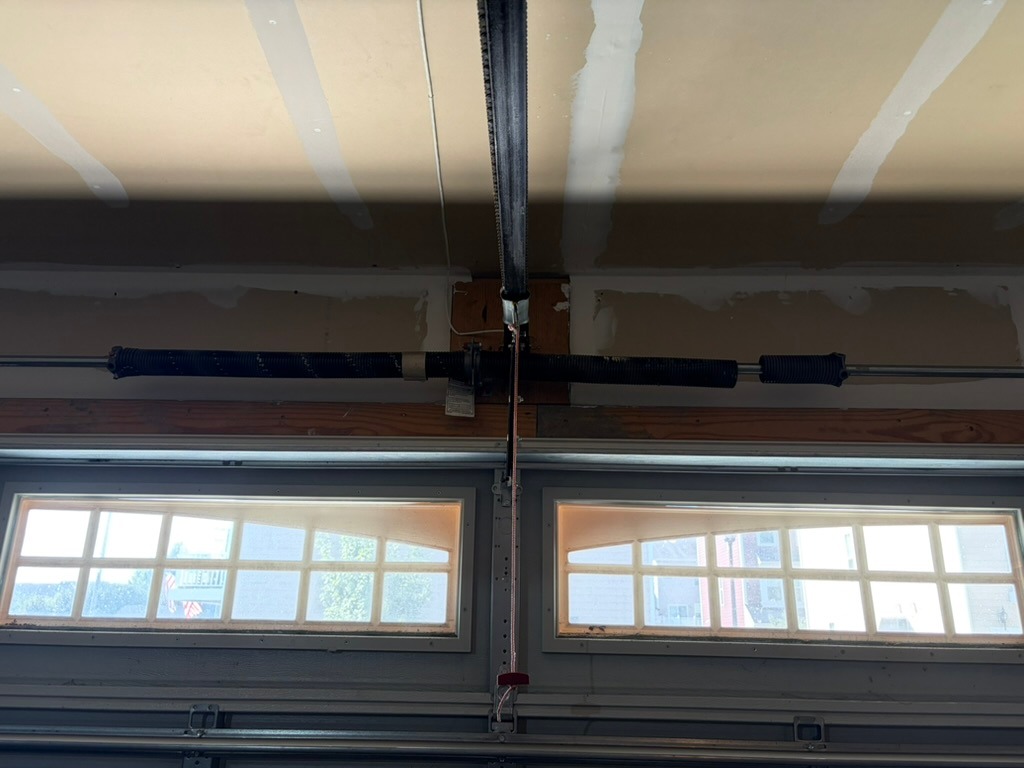
There are also jobs that should not be DIY at all. Torsion springs store enormous energy and are not a homeowner task. If your door is unbalanced, the cables are frayed, or the door is off track, installing a new opener on top of those problems wastes money and can damage the new unit. A technician can fix the underlying issue and install the opener in the same visit.
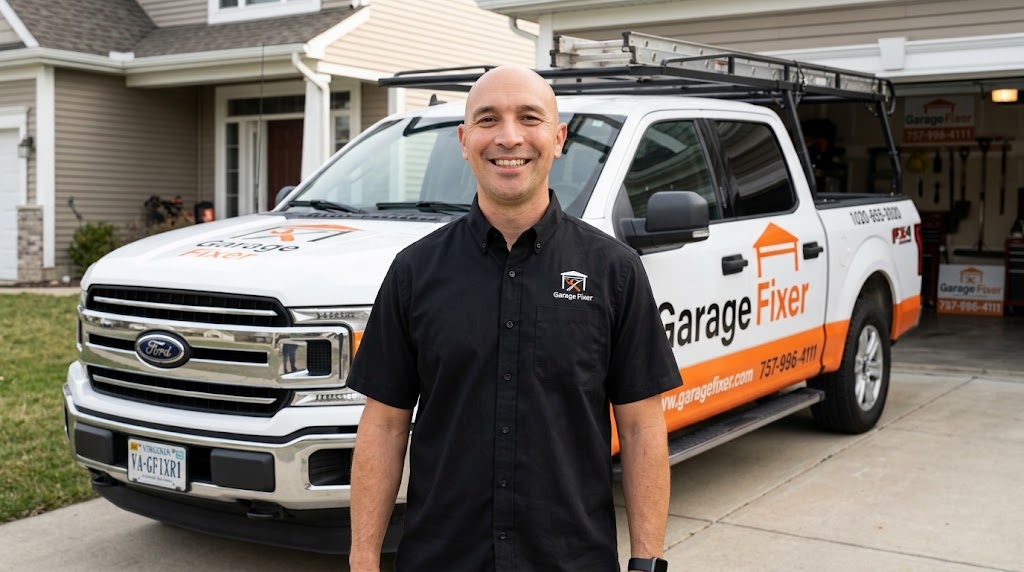
Garage Fixer is a veteran-owned, locally operated repair and installation company serving Chesapeake, Virginia Beach, Norfolk, Portsmouth, and Suffolk. Opener installation, smart opener setup, and remote and keypad programming are handled for both homes and commercial properties, alongside spring replacement, cable repair, off-track repair, roller and panel work, and sensor repair. Same-day service is available seven days a week from 6AM to 9PM, and the company quotes upfront rather than pushing upgrades.
Scheduling Opener Installation in Hampton Roads
Booking usually starts with two questions: what kind of door you have and what the current opener is doing. From there you can decide between repair and replacement. An older unit that is loud, slow, or has needed repeated fixes is often a replacement candidate, while a newer opener with a single failed part is usually worth fixing.
Have a few details ready when you call. Note whether the door is a single or double, whether it is insulated, and whether the ceiling above the door has an outlet within reach of the opener. Mention any remotes or keypad you want programmed and whether you want Wi-Fi control. That information lets the technician bring the right opener and hardware on the first trip instead of rescheduling.
If you are in Norfolk neighborhoods like Ghent or Larchmont, Chesapeake areas like Greenbrier or Deep Creek, or Portsmouth spots like Olde Towne or Churchland, ask about same-day availability when you book. Getting the opener installed and tested in one appointment keeps the car out of the driveway for an afternoon instead of a week.
Frequently Asked Questions
How much does garage door opener installation cost in Hampton Roads?
Published retail pricing starts at $178 at The Home Depot, including removal and haul away of the old opener, and Lowe's offers its own installation program for chain, belt, and direct drive units. Actual cost depends on the opener you choose, whether electrical work is needed, the condition of the door, and extras like remotes or keypads. Local quotes vary, so ask for an upfront price.
Can I install a new garage door opener myself?
Yes, if you are comfortable with basic tools, ladder work, and following manufacturer instructions. Chamberlain publishes installation videos and support guides that walk through the process, and The Home Depot outlines four stages: prepare the garage, assemble the opener, mount it to the ceiling, and attach the door bracket. Skip the DIY route if the door is unbalanced or the springs and cables need attention.
Which opener brands can be installed in a Hampton Roads garage?
LiftMaster, Chamberlain, and Genie are the brands most commonly installed and serviced locally, and parts and accessories for them are easy to find. The Lowe's installation program covers chain, belt, and direct drive openers. The right pick depends less on the logo and more on your door's weight, whether the garage sits under a bedroom, and whether you want smart features.
Should I repair my old opener or replace it?
It depends on age and the failure. A single failed part on a newer unit, such as a remote, sensor, or gear, is usually worth repairing. An older opener that is loud, slow, or has needed repeated fixes is often a better replacement candidate, especially if you want quieter belt drive operation or smart controls. A technician can tell you which makes more sense.
Whether you repair or replace, the goal is the same: a door that opens quietly, stops when it should, and responds the first time you press the button. Start by identifying your drive type and door weight, get an upfront quote that spells out removal and any electrical work, and confirm that remotes, keypad, and safety sensor testing are part of the appointment. In Hampton Roads, that combination of clear pricing and same-day availability is what keeps a driveway clear and a garage usable.